



An Overview of the Technology
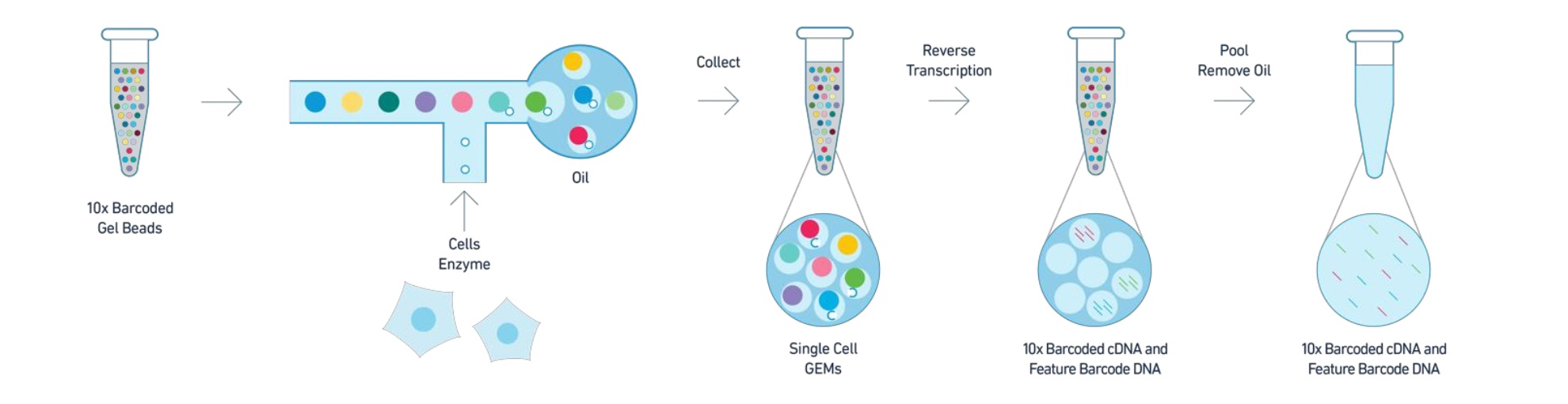

High-throughput molecular barcoding
Cell-by-Cell 3’ or 5′ end counting of mRNA transcripts
Tens of thousands of cells per run, simultaneous runs possible
Consultation on cell preparation prior to capture
FAQ
What Is The Chromium X?
Chromium X is 10x Genomics most flexible and newest instrument. It runs all single cell assays, including new high-throughput assays for Single Cell Immune Profiling and Single Cell Gene Expression. The Chromium X is compatible with all 10x Genomic current single cell assays, including low-, standard- and high-throughput options. The Chromium Controller (available for self-service) runs low- and standard-throughput assays.
What Does End-To-End Service Through The GRCF Mean?
After consultation with our Single Genomics team, customers can drop off a single cell suspension of cells they would like captured. We work to establish an agreed upon capture rate, perform the capture, sequencing libraries, quality libraries are sequenced and data returned after first pass analysis on the platform proprietary software. Our goal is to make the process from cells to usable data as seamless as possible to the researcher.
How do I get a consultation appointment to get started with single cell?
To set up an appointment for single cell consultation, e-mail, Emanuele Palescandolo, [email protected].
Following a consultation with our Single Genomics team, customers can submit a single cell or nucleus suspension for capture. We collaborate with you to determine an agreed capture rate, then execute the capture and sequencing of libraries. Quality libraries are sequenced, and data are provided after an initial analysis using the platform’s proprietary software. Our aim is to ensure a seamless transition from cells to usable data for researchers.
How do I determine the price of an experiment?
During your consultation with Emanuele Palescandolo, pricing will be discussed once it is decided how to proceed with your experiment.
Should I Use Single Cells Or Nuclei For My Experiment?
Nuclei are often used when isolating live cells is challenging or when the tissue is frozen. Cells that are too large for the microfluidics channels of the 10x Chromium system, present a challenging shape or are not easily dissociated from tissue, would be more suitable for nuclei isolation. The team will discuss the available options during the consultation phase.
What Do I Need To Consider in Preparing Cells?
Single cell capture works most effectively when cells are less than 30 microns in size, cells are fully dissociated and in a single cell suspension, minimal debris is present in the suspension and cells present with greater than 90% viability.
The cell processing efficiency in capture is 65%. Cell capture targets can range from 500- 10,000 cells. A minimum of 2.5 x the target cells will be needed to ensure a successful capture.
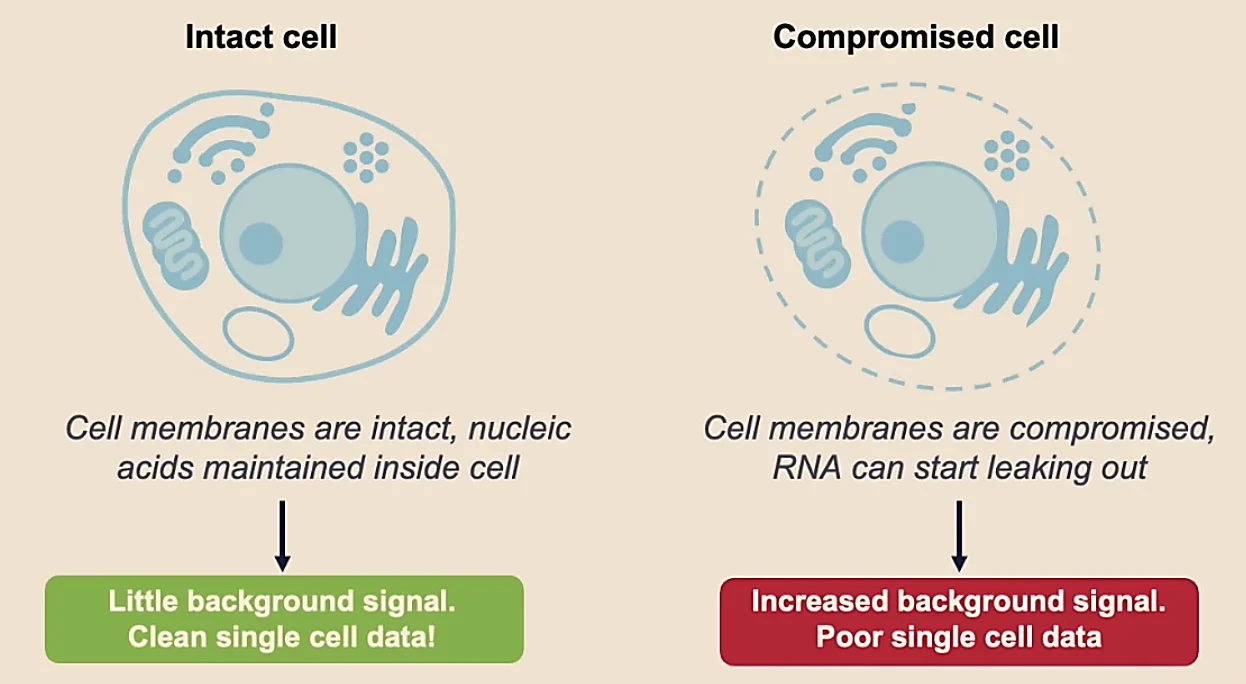
What makes a good quality single cell sample?
Clean
Healthy
Intact
Sample Preparation
Single Cell Isolation with Levitas
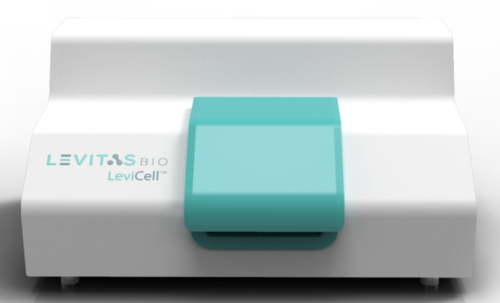
The Levitas LC1 (LeviCell® 1.0) redefines single-cell isolation by utilizing a sophisticated, non-invasive approach to sample preparation. Unlike traditional methods that rely on high-pressure fluidics or harsh labeling, the LC1 uses Levitation Technology to separate cells based on their physical properties.
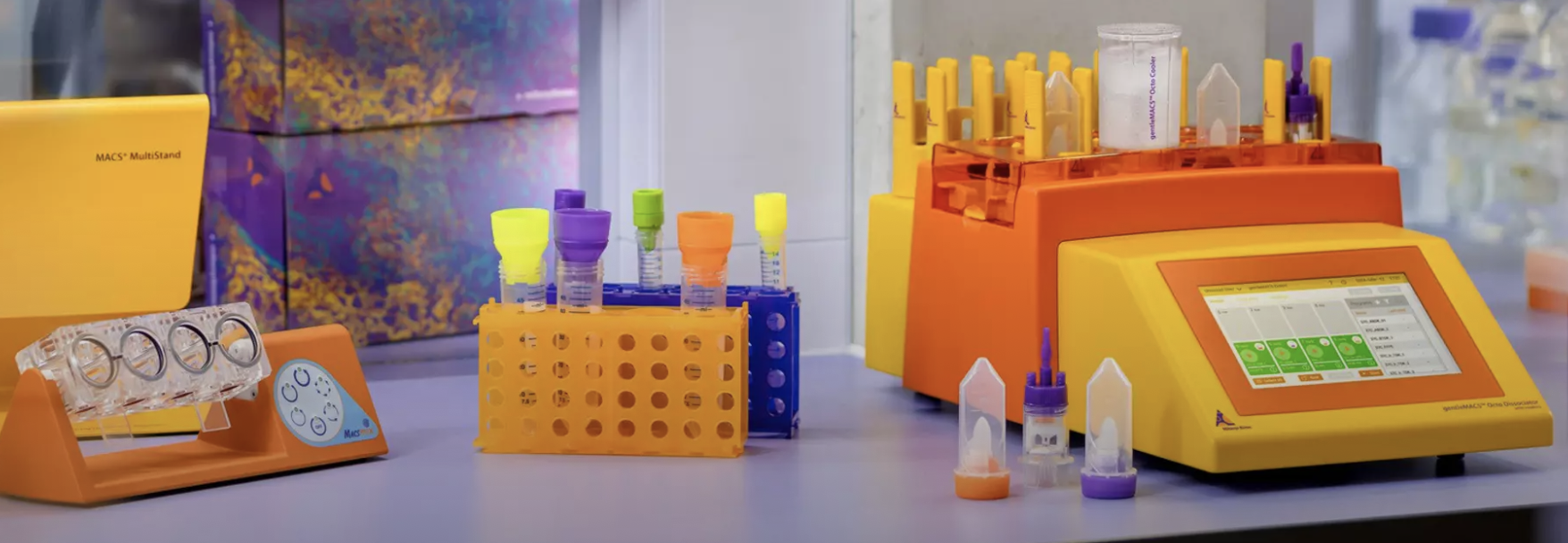
Single Cell Isolation with Miltenyi
The Miltenyi Biotec MACS® (Magnetic-Activated Cell Sorting) system is for isolating high-quality single cells with speed and precision. By leveraging a combination of proprietary magnetic bead technology and gentle fluidics, it ensures that your downstream assays—from NGS to cell culture—begin with a pure, viable, and representative population.
Single Cell Genomics through the GRCF is a joint effort between the Cell Center & the Single Cell, Spatial, and Functional Genomics Laboratories.
Following a consultation with our Single Genomics team, customers can submit a single cell or nucleus suspension for capture. We collaborate with you to determine an agreed capture rate, then execute the capture and sequencing of libraries. Quality libraries are sequenced, and data are provided after an initial analysis using the platform’s proprietary software. Our aim is to ensure a seamless transition from cells to usable data for researchers.