



Overview of Mission Bio Technology…
FAQ
What is Mission Bio Tapestri?
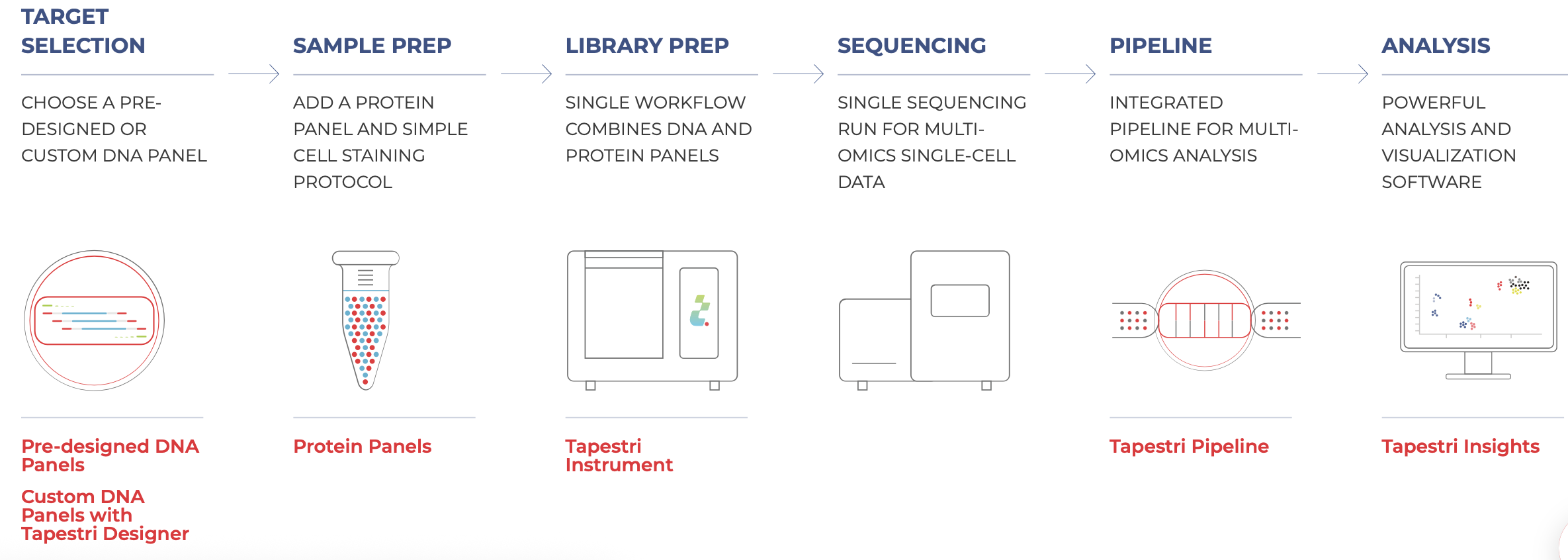
Mission Bio’s Tapestri is a high-throughput, single-cell multi-omics platform that simultaneously analyzes DNA (SNVs, CNVs), proteins, and RNA within thousands of individual cells. This platform supports cancer research, MRD tracking, and cell therapy development by identifying rare cell populations and clonal evolution. It features multi-omic analysis capabilities, allowing for the detection of DNA mutations and surface proteins concurrently, withrecent updates enabling integrated RNA analysis. The workflow utilizes a two-step microfluidic droplet-based method to encapsulate cells, barcode them, and perform targeted multiplex PCR.
What Does End-To-End Service Through The IGC Mean?
After consultation with our Single Genomics team, customers can drop off a single cell suspension of cells they would like captured. We work to establish an agreed upon capture rate, perform the capture, sequencing libraries, quality libraries are sequenced and data returned after first pass analysis on the platform proprietary software. Our goal is to make the process from cells to usable data as seamless as possible to the researcher.
How do I get a consultation appointment for single cell experimentation?
To set up an appointment for single cell consultation, e-mail, Emanuele Palescandolo, [email protected].
Following a consultation with our Single Genomics team, customers can submit a single cell or nucleus suspension for capture. We collaborate with you to determine an agreed capture rate, then execute the capture and sequencing of libraries. Quality libraries are sequenced, and data are provided after an initial analysis using the platform’s proprietary software. Our aim is to ensure a seamless transition from cells to usable data for researchers.
How do I determine the price of an experiment?
During your consultation with Emanuele Palescandolo, pricing will be discussed once it is decided how to proceed with your experiment.
Should I Use Single Cells Or Nuclei For My Experiment?
Nuclei are often used when isolating live cells is challenging or when the tissue is frozen. Cells that are too large for the microfluidics channels of the 10x Chromium system, present a challenging shape or are not easily dissociated from tissue, would be more suitable for nuclei isolation. The team will discuss the available options during the consultation phase.
What Do I Need To Consider in Preparing Cells?
Single cell capture works most effectively when cells are less than 30 microns in size, cells are fully dissociated and in a single cell suspension, minimal debris is present in the suspension and cells present with greater than 90% viability.
The cell processing efficiency in capture is 65%. Cell capture targets can range from 500- 10,000 cells. A minimum of 2.5 x the target cells will be needed to ensure a successful capture.
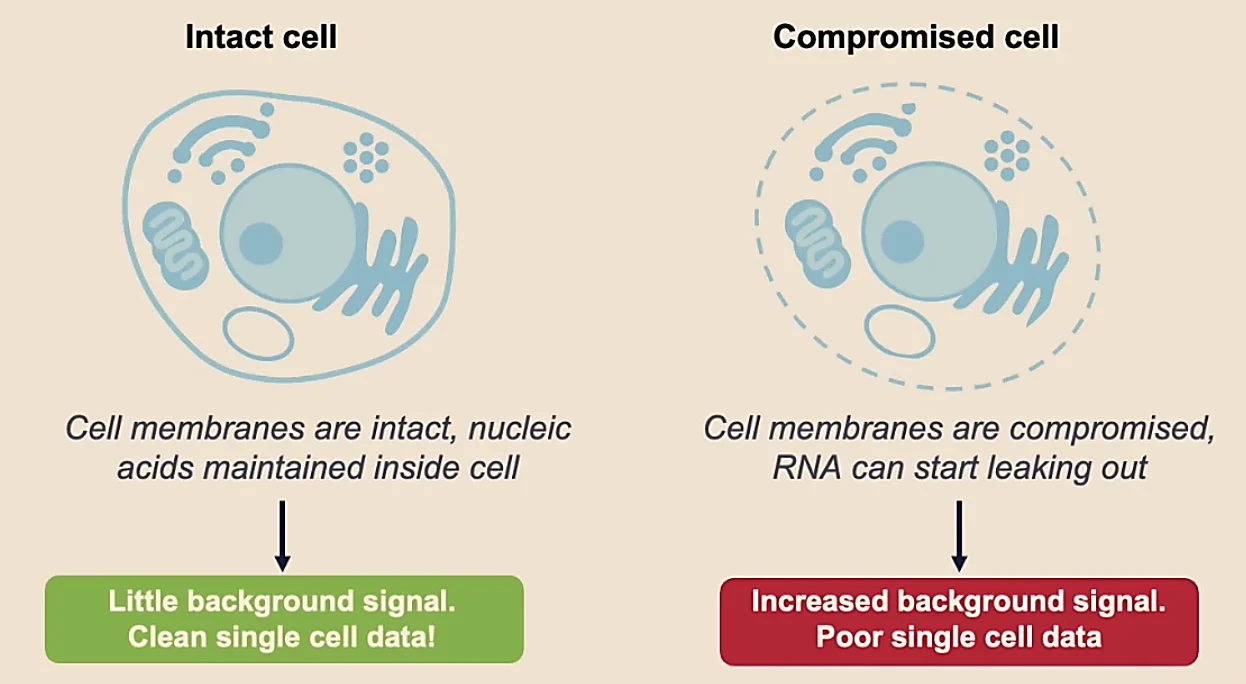
What makes a good quality single cell sample?
Clean
Healthy
Intact
Sample Preparation
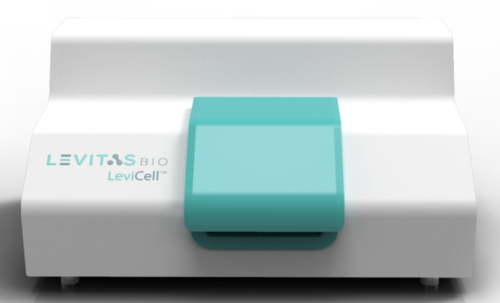
Single Cell Isolation with Levitas
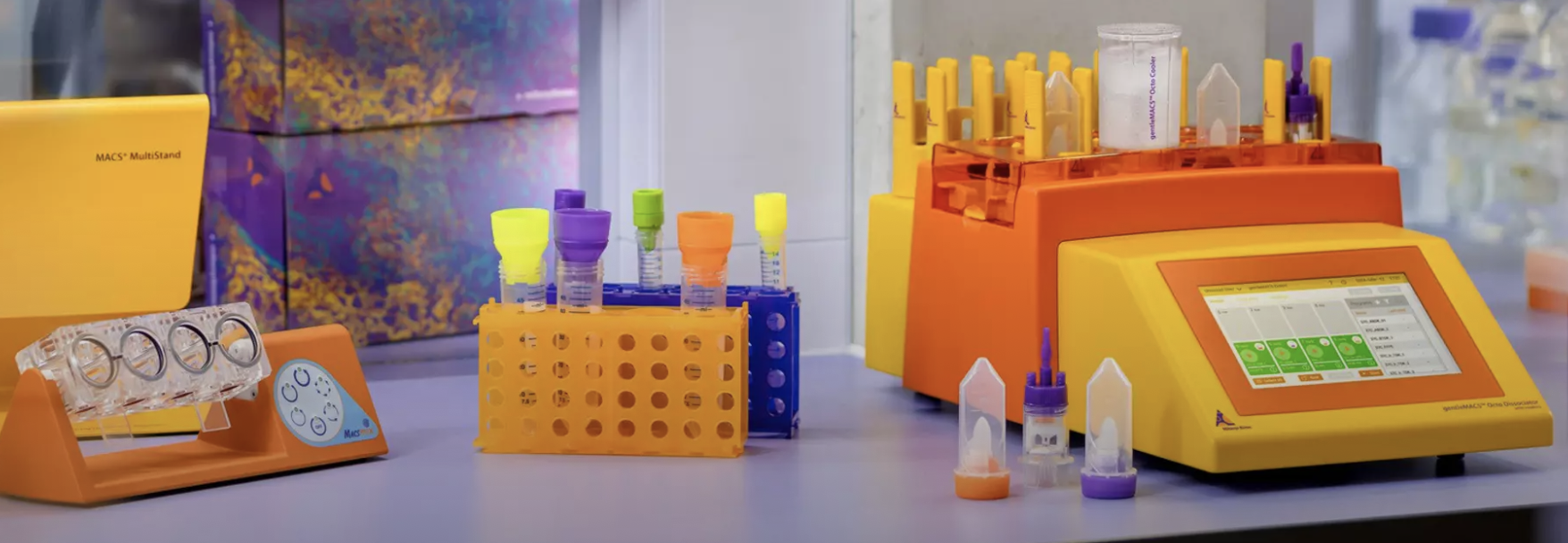
Single Cell Isolation with Miltenyi
Single Cell Genomics through the IGC is a joint effort between the Cell Center & the Single Cell, Spatial, and Functional Genomics Laboratories.
Following a consultation with our Single Genomics team, customers can submit a single cell or nucleus suspension for capture. We collaborate with you to determine an agreed capture rate, then execute the capture and sequencing of libraries. Quality libraries are sequenced, and data are provided after an initial analysis using the platform’s proprietary software. Our aim is to ensure a seamless transition from cells to usable data for researchers.